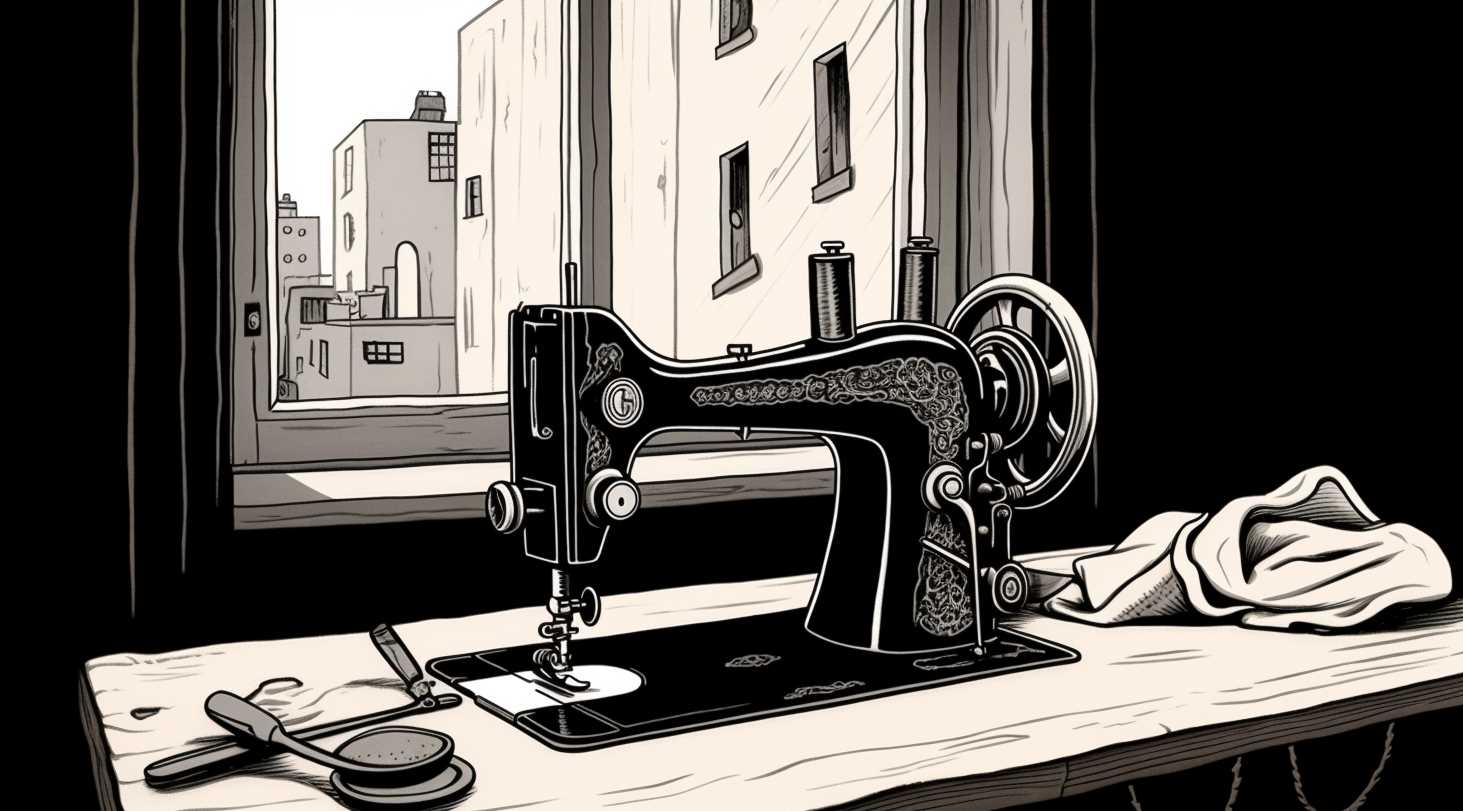

Dive into the vibrant threads of Belgium’s textile industry! An epic tale woven through time, unraveling a rich tapestry of innovation and creativity.
Belgium has spun its magic in textiles since medieval times, becoming an emblematic figure on the global stage. Explore this short history to discover how Belgian looms have intertwined tradition and technology to create fashion masterpieces!
Table of contents:
1. Introduction: The Importance of the Textile Industry in Belgium
2. Textiles in Belgian Gaul: Modest Beginnings
3. Rise of Textiles in the Middle Ages: The First Guilds and Corporations
4. The Industrial Revolution in Belgium and Its Impact on the Textile Sector
5. First Textile Factories in Belgium
6. The Rise in Power of Cotton Industry in Belgium
7. Belgium, Pioneer of Linen Industrialization
8. Working Conditions in Textile Factories: Workers and Female Workers
9. Technological Innovations in the Belgian Textile Industry
10. Influence of Parisian Fashion on the Textile Industry in Belgium
11. The Challenges and Opportunities during World Wars
12. New Trends & Innovations Within Contemporary Belgian Textiles
13. Decline of the Belgian Textile Industry: Economic and Social Factors
14. New Trends & Innovations Within Contemporary Belgian Textiles
Introduction: The Importance of the Textile Industry in Belgium
Belgium, renowned for its vibrant cultural legacy and artistic mastery, has left an indomitable imprint on the textile industry. This nation’s journey from humble origins to becoming a trailblazer in linen industrialization and cotton production is remarkable.
The Belgian textile sector has made an enduring impact not only on fashion history but also on economic progression. Its influence extends far beyond national borders. Belgium has established itself as a global leader in the field of textiles.
This achievement didn’t come overnight. It was earned through years of dedication, innovation, and craftsmanship that are hallmarks of this small yet influential country. The story of Belgium’s success serves as inspiration for aspiring nations worldwide.
In conclusion, when it comes to textiles – be it historical significance or economic contributions – Belgium stands tall among giants with its unique blend of artistry and industrious nature.
Textiles in Belgian Gaul: Modest Beginnings
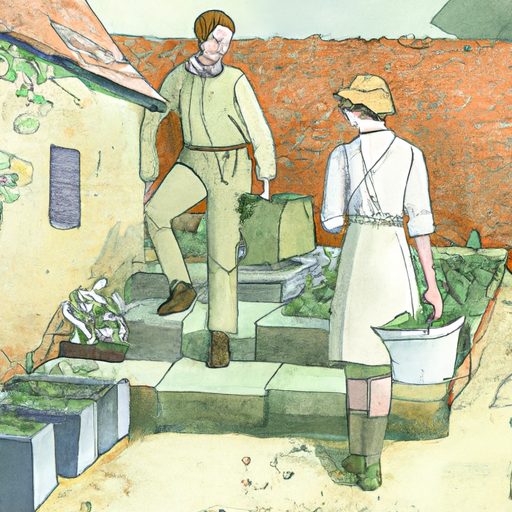
In the era of ancient Rome, textiles bore importance in what we now know as Belgium. The early inhabitants showcased their weaving prowess by creating fabrics from organic fibers such as wool and flax. These rudimentary origins set the stage for subsequent progress within this sector.
The textile industry’s roots can be traced back to these times when Belgians demonstrated remarkable skill in weaving. Utilizing resources from nature like flax and wool, they crafted quality fabric. This marked a humble yet significant beginning that later paved the way for future development within this field.
Belgium today still echoes its rich textile history dating back to Roman times. Back then, skilled artisans would weave intricate patterns with natural materials like wool and flax into high-quality fabrics – a practice that has shaped modern advancements in this sphere.
From those early days emerged an industry grounded on craftsmanship and resourcefulness, using readily available materials such as wool or flax to create durable textiles. This laid down a solid foundation for continual growth and innovation within this arena.
Remembering its past contributes significantly towards understanding Belgium’s present-day textile success story – it all started with adept weavers making use of naturally occurring fibers like wool or flax during Roman times.
Rise of Textiles in the Middle Ages: The First Guilds and Corporations
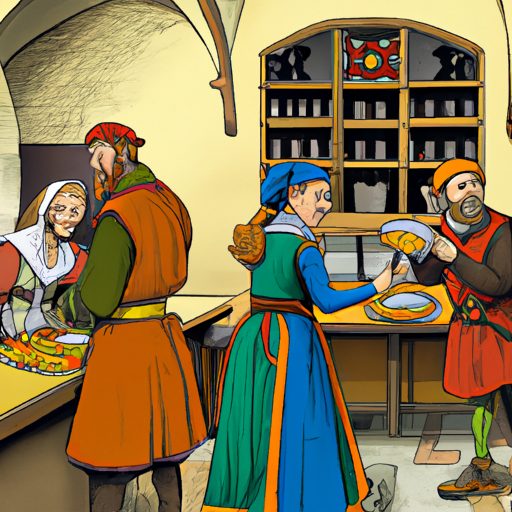
Throughout the medieval period, significant organizations known as guilds came into existence. These institutions were instrumental in managing diverse professions. Particularly notable was their influence in Belgium.
Here, these guilds executed a vital function by structuring weavers into corporations according to their skill level. This structure promoted an environment where craftsmen could exchange insights while upholding high-quality standards across various geographical areas.
Their role extended beyond mere organization; they cultivated a culture of shared wisdom among artisans. This ensured that no matter the region, quality never wavered but remained consistently high throughout Belgium’s weaving industry.
In summary, during this era of history, guilds served as crucial regulatory bodies for trades and skills – with pronounced impact seen within Belgian society and its array of skilled weavers. Their legacy continues to be felt today – instilling a sense of pride in craftsmanship and maintaining unwavering standards across regions.
The Industrial Revolution in Belgium and Its Impact on the Textile Sector
The dawn of machine-age heralded significant shifts across the globe, prominently in Belgium’s textile production. Technological breakthroughs like spinning frames and power looms became integral parts of mainstream manufacturing during this era, propelling efficiency and output to unprecedented heights.
Innovation wasn’t confined to machinery alone. New methods for dyeing fabrics emerged, broadening the spectrum of available colors while enhancing durability. This development not only added aesthetic appeal but also increased product longevity.
Subsequently, textiles underwent a transformation – from being mere commodities to becoming symbols of status and fashion statements. The evolution was driven by the demand for diversity in patterns and textures which machines could easily provide.
Belgium’s textile industry thrived on these technological advancements. It led them towards optimized productivity levels that were previously unimaginable; cementing their position at the forefront of global textile production.
In conclusion, machinery revolutionized every aspect – from manufacturing processes to consumer preferences within Belgium’s thriving textile sector. The impact resonated throughout the world as it redefined standards for quality and efficiency in fabric production globally.
First Textile Factories in Belgium
The rise in demand was a consequence of enhanced efficiency provided by machinery. Business owners started setting up large factories, focusing only on textile production. These initial foundations represented a crucial juncture where age-old artisan skills met modern industrial methods.
In this context, the traditional arts and crafts were combined with innovative industrial techniques. This shift marked an essential crossroads in history when old-world craftsmanship converged with new-age industry practices.
These developments signified a turning point that saw the fusion of time-honored artistry and burgeoning industry procedures. The inception of these massive manufacturing units dedicated solely to textiles symbolized an era where ancient handiwork seamlessly blended with contemporary industrial processes.
This phase witnessed classic craft techniques intertwining with advanced mechanized systems, marking a significant historical milestone. Entrepreneurs founded extensive facilities focused entirely on fabric production due to elevated demands driven by machine-enabled efficiencies.
These events indicated an important evolution – heritage crafting skills merging harmoniously with progressive factory operations set up by business visionaries responding to increased needs powered by mechanical advancements.
The Rise in Power of Cotton Industry in Belgium
During this period, cotton ascended to dominance. Its comfort surpassed the weighty wools and linens that were commonly worn prior to the mechanization of weaving in European markets. As a result, it was highly coveted.
The transformation occurred as a consequence of comfort taking precedence over tradition. The heaviness associated with wool and linen garments became less appealing with the advent of mechanized weaving.
Mechanized weaving revolutionized textile production in Europe. This innovation led to an increased demand for lighter materials such as cotton, pushing it into prominence.
Cotton’s reign was not accidental but rather a response to changing consumer preferences towards more comfortable attire options. It swiftly eclipsed its predecessors – wool and linen – becoming highly desirable among consumers across various regions.
In conclusion, during this era marked by technological advancements in textile manufacturing, cotton held sway due largely to its superior comfort attributes compared with traditional clothing materials like heavy wools or linens.
Belgium, Pioneer of Linen Industrialization
Belgium, renowned for its innovative approach to linen manufacturing, continues to uphold its prestige. With a climate and soil composition well-suited for flax cultivation—the plant at the heart of linen production—this nation thrives.
Globally recognized Belgian linens are celebrated not only for their exceptional quality but also the unparalleled skill involved in their creation. This small country’s commitment to excellence in textile production sets it apart on the world stage.
The popularity of other materials, such as cotton, does not overshadow Belgium’s accomplishments in this field. Instead, it serves as a testament to the enduring appeal and timeless elegance of Belgian linens.
Recognized universally for superior craftsmanship and premium quality product offerings, Belgium remains steadfastly dedicated towards maintaining its prominent position within global textile industry circles.
Working Conditions in Textile Factories: Workers and Female Workers
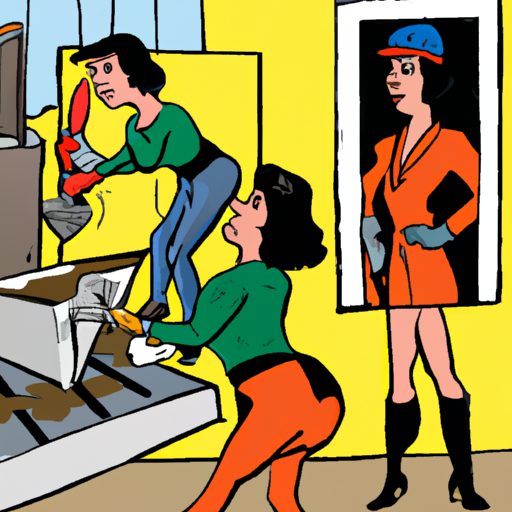
The surge in industrial establishments brought about unique dilemmas linked to occupational environments. A significant workforce was often employed by textile industries, with females playing a crucial role in manufacturing activities. Nonetheless, these roles within the factories were challenging due to extensive work hours and severe settings impacting employee health.
In this new era of large-scale production, working conditions became a matter of concern. The textile sector particularly saw an influx of employees where women had pivotal responsibilities in operations. Yet, it wasn’t easy; the demanding nature of their jobs combined with strenuous surroundings affected workers’ well-being significantly.
Industrialization ushers in novel issues concerning labor conditions. Textile mills typically employ many individuals wherein women are essential for production tasks. But such factory positions are rigorous due to lengthy shifts and harsh milieu negatively influencing worker welfare.
As factories increased exponentially, so did problems associated with work situations—textile units regularly hired numerous staff members wherein ladies held key positions for manufacturing procedures; however, these plant occupations proved taxing because they involved long durations and tough locations that adversely impacted labourer’s wellness.
Technological Innovations in the Belgian Textile Industry
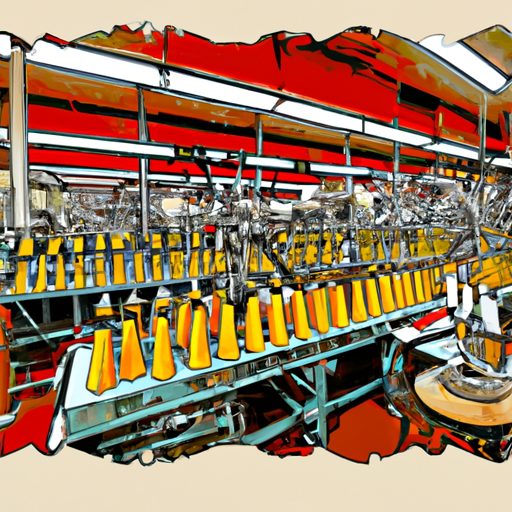
Belgian cloth makers have always strived for improved productivity. Technological progress has been a constant tool in this pursuit. Innovations such as Jacquard looms transformed the way patterns were woven into fabrics.
Steam-powered equipment also played a critical role. It significantly sped up production rates, further advancing Belgium’s fabric industry.
Innovation was never an afterthought but rather the driving force behind the evolution of Belgium’s textile sector. This relentless pursuit of advancement underscores why Belgian textiles are renowned worldwide today.
Influence of Parisian Fashion on the Textile Industry in Belgium
Renowned as the epicenter of style, Paris has forever shaped global fashion trends. The city’s influence spreads far beyond its borders, impacting a multitude of industries globally.
Belgian textile producers found in Paris both a muse and a marketplace. They drew inspiration from French styles to create their designs. Concurrently, they exported fabrics to meet the demands of Europe’s burgeoning fashion industry.
This interaction between Belgian textiles and the Parisian market represents an interconnectedness within European fashion circles. It showcases how one city can serve as both an inspiration for design creation and provide avenues for business expansion through exports.
In conclusion, this symbiosis illustrates how trends are born not just out of creativity but also through strategic marketing decisions made by businesses. It is an example that emphasizes the importance of understanding consumer behavior while staying true to one’s artistic vision in achieving success in any given industry.
The Challenges and Opportunities during World Wars
The two global conflicts of the past century brought about substantial obstacles across all industries, textiles included. Scarce resources, a result of war activities, however ironically opened doors to new possibilities. This was particularly true for local production within isolated markets where imported goods were either severely restricted or completely banned.
These major international disputes catalyzed an unexpected shift in industrial dynamics. The textile industry was no exception to this change as it faced resource scarcity due to military operations worldwide.
Yet, amidst these trials and tribulations arose unique opportunities. Particularly noticeable within secluded marketplaces where foreign product influx experienced severe limitations or total eradication.
Thus, adversity bred innovation and self-reliance – a silver lining evident in numerous sectors including textiles during periods of intense global conflict.

New Trends & Innovations Within Contemporary Belgian Textiles
Belgian textile industry is consistently breaking barriers by embracing cutting-edge techniques. Among these, 3D printing on fabric surfaces and using unorthodox materials like recycled plastics are noteworthy.
Belgium has gifted the world with many renowned artists and designers who have left indelible imprints on the international scene. Fashion luminaries such as Martin Margiela to pioneering textile artist Christien Meindertsma are just a few examples of Belgian creative minds that persistently redefine artistic horizons worldwide.
Decline of the Belgian Textile Industry: Economic and Social Factors
Over the past years, the textile sector in Belgium grappled with financial hurdles. These were a result of stiff competition from nations offering low-cost production. This downward trend was amplified by changing consumer tastes favoring quick turnaround styles.
Traditional makers found it difficult to adjust to these fresh market trends. They had to face not only economic pressures but also rapidly evolving fashion demands from consumers worldwide.
The transition towards fast-paced fashion has been relentless and unforgiving for many established manufacturers in Belgium’s textile industry. It became an uphill battle against both affordability and speed, with traditional producers finding themselves at a disadvantage due to their slower adaptation pace.
Belgium’s struggle is emblematic of larger global shifts within the textile industry, reflecting changes in consumption patterns influenced by price points and speed-to-market demands. The scenario underscores how crucial adaptability is for survival amidst shifting market dynamics – a lesson that holds true across industries.
New Trends & Innovations Within Contemporary Belgian Textiles
In spite of obstacles, the lively artistic energy and inventive soul of Belgium has enabled a new vision for its role in textiles. Present-day Belgian creatives are merging sustainable methods with technology and age-old skills – injecting vitality into this historically momentous sector.
Considering Belgium’s profound textile legacy interweaved with innovation and creativity over time – it is evident that this vibrant industry will persistently transform while passionate craftsmen continue to challenge limits and welcome evolution. The forthcoming era presents thrilling prospects for upcoming pioneers within the Belgian textile sphere!
Indeed, as we ponder on the deep-rooted textile heritage of Belgium conjoined with creative advancements throughout history – it becomes apparent that this dynamic field will keep progressing driven by devoted artisans who dare to break conventions and accept transformation. Tomorrow promises exhilarating opportunities for future torchbearers in the realm of Belgian textiles!